



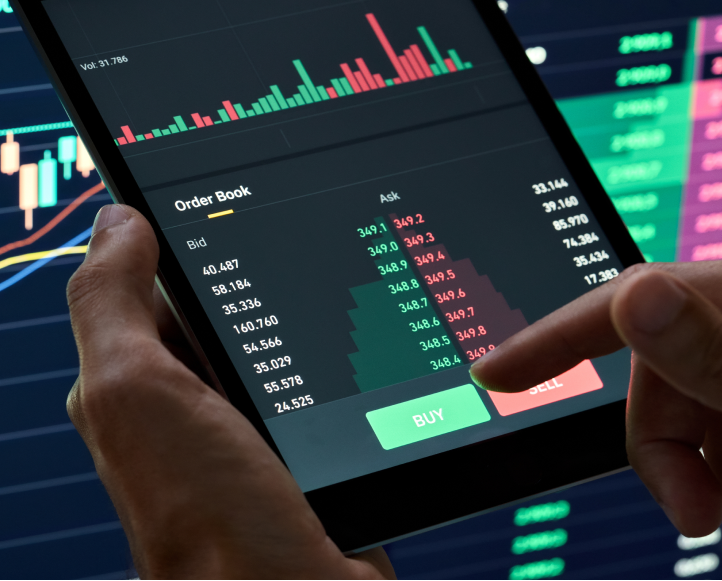
In the rapidly evolving world of cryptocurrencies, more traders are seeking ways to engage in crypto trading without the burdensome requirements of Know Your Customer (KYC) processes. Crypto Trading No KYC visit website This movement towards KYC-free trading is driven by a desire for privacy, quick transactions, and a more decentralized financial ecosystem. In this article, we will dive deep into the phenomenon of crypto trading without KYC, exploring its benefits, risks, and best practices.
The Concept of No KYC in Crypto Trading
No KYC trading refers to platforms and services that allow users to buy, sell, or exchange cryptocurrencies without submitting personal identification documents such as passports or utility bills. This approach aligns with the core philosophy of cryptocurrencies, which emphasizes decentralization and financial privacy.
Why Choose No KYC Trading?
1. **Privacy and Anonymity**: One of the principal reasons traders opt for no KYC services is the promise of anonymity. Traditional exchanges often require extensive personal information that can be subject to breaches and misuse. No KYC platforms allow users to trade with minimal personal data.
2. **Ease of Access**: KYC processes can be tedious, often taking several days to verify. No KYC platforms typically provide immediate access to trading, allowing users to dive into the market without waiting for approval.
3. **Reduced Regulatory Pressure**: With growing scrutiny from regulators, many centralized exchanges are compelled to enforce strict KYC policies. In contrast, no KYC platforms may offer a semblance of resistance against excessive governmental control, appealing to users who advocate for financial sovereignty.
Types of No KYC Crypto Trading Platforms
No KYC trading can be found across various types of services in the cryptocurrency ecosystem:
P2P Exchanges
Peer-to-peer (P2P) exchanges allow users to trade directly with each other. These platforms facilitate transactions without the need for an intermediary, making them popular options for no KYC trading. Users can negotiate trades and payments securely without revealing their identities.
Decentralized Exchanges (DEXs)
DEXs operate on blockchain technology, allowing users to trade tokens directly. These platforms usually do not require any form of KYC since they do not hold users’ funds or personal information. Popular DEXs like Uniswap and SushiSwap exemplify this model.
No KYC Online Brokers
Some online brokers cater to users who prefer no KYC trading, offering a blend of a centralized experience with minimal user verification. Traders can deposit and withdraw cryptocurrencies with ease, although they might face higher fees compared to traditional exchanges.
The Risks Involved in No KYC Trading
While the advantages of no KYC trading may be tempting, traders must be aware of several risks involved:
1. Security Risks

Many no KYC platforms may not have the robust security measures of their traditional counterparts. Users must conduct thorough research to choose reliable platforms to ensure their funds are safeguarded.
2. Scams and Fraud
The anonymity that comes with no KYC trading can attract unscrupulous actors. Traders should remain vigilant and only engage with reputable platforms and individuals to avoid falling victim to scams.
3. Legal and Regulatory Risks
As authorities crack down on no KYC exchanges, users may face legal repercussions depending on local laws. It is crucial for traders to understand their local regulations and operate within the law while engaging in such trading.
Best Practices for No KYC Trading
To mitigate risks while engaging in no KYC trading, consider the following best practices:
1. Do Your Research
Before trading on any platform, conduct thorough research into its reputation, security practices, and user reviews. Choose well-established platforms with positive user feedback.
2. Use a VPN
Consider using a Virtual Private Network (VPN) to further enhance your online privacy. A VPN can help obscure your location and protect your internet connection from prying eyes.
3. Start Small
If you’re new to no KYC trading, start with small amounts until you become familiar with the platform and trading process. This approach minimizes potential losses while allowing you to learn.
4. Secure Your Assets
Always employ robust security measures to protect your funds. Use hardware wallets for storing your cryptocurrencies and employ two-factor authentication (2FA) wherever possible.
The Future of No KYC Trading
As the world moves toward more digital and decentralized financial systems, no KYC trading is likely to become a more prominent feature of the cryptocurrency landscape. Advances in technology may lead to better privacy solutions, making it easier for individuals to trade while protecting their identities.
Conclusion
No KYC trading provides an exciting alternative for crypto enthusiasts seeking to maintain their anonymity and streamline their trading experience. However, it comes with inherent risks that must be addressed through informed decision-making and diligent research. As these platforms continue to evolve, traders must balance their desire for privacy with the responsibilities of secure and responsible trading.

