



Understanding Forex Trading: A Comprehensive Guide
Forex trading, or foreign exchange trading, is the process of buying and selling currencies on the foreign exchange market. This market is the largest and most liquid in the world, with daily trading volumes exceeding $6 trillion. If you’re interested in learning about Forex trading and how it works, you’ve come to the right place. In this article, we’ll explore what Forex trading is, its benefits, key terms, strategies, and how to get started. For a deep dive into Forex resources, visit what is forex trading https://acev.io/.
What is Forex Trading?
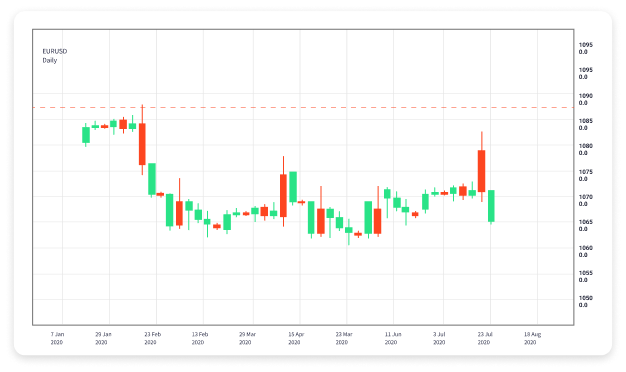
At its core, Forex trading involves the exchange of one currency for another. Currencies are traded in pairs, such as EUR/USD (Euro/US Dollar) or GBP/JPY (British Pound/Japanese Yen). The exchange rate between these two currencies determines how much one currency is worth in relation to the other. Traders buy one currency while simultaneously selling another, hoping to profit from fluctuations in exchange rates.
How Does Forex Trading Work?
The Forex market operates 24 hours a day, five days a week, allowing traders to engage in transactions at any time. It is decentralized, meaning that there is no central exchange, and trading occurs over-the-counter (OTC) through a network of banks, brokers, and financial institutions.
Forex trading requires a trading account with a broker who provides access to the market. Traders analyze currency pairs and make trades based on their predictions of how exchange rates will move. They use various tools and strategies, including technical and fundamental analysis, to make informed decisions.
Key Terms in Forex Trading
To understand Forex trading better, it is essential to grasp some key terms:
- Currency Pair: A quotation of two different currencies, where one currency is quoted against the other.
- Pip: A unit of measurement representing the smallest price move in a currency pair.
- Spread: The difference between the bid price and the ask price of a currency pair.
- Leverage: The ability to control a larger position with a smaller amount of capital. It can amplify both profits and losses.
- Margin: The amount of capital required to open and maintain a leveraged position.
- Lot: A standardized quantity of a financial instrument being traded, typically 100,000 units for standard lots.
Benefits of Forex Trading

Forex trading offers several advantages that attract both individual and institutional traders:
- Liquidity: The Forex market is highly liquid, allowing traders to enter and exit positions quickly and easily.
- Accessibility: With a relatively small amount of capital, you can start trading, making Forex accessible to a wide range of participants.
- Flexibility: Traders can structure their trades according to their preferences, including timeframes and risk management strategies.
- Leverage: Many brokers offer significant leverage, allowing traders to amplify their positions, though it comes with increased risk.
- Diverse Opportunities: The Forex market offers a range of currency pairs and trading strategies, allowing traders to diversify their investments.
Common Forex Trading Strategies
Traders employ various strategies to make profitable trades in the Forex market. Some common strategies include:
- Day Trading: This strategy involves opening and closing positions within the same trading day to capitalize on short-term price movements.
- Scalping: Scalpers aim to make numerous small profits by executing multiple trades in a single day.
- Swing Trading: Swing traders hold onto positions for several days or weeks, seeking to profit from price swings and trends.
- Position Trading: This long-term strategy involves holding onto positions for an extended period, based on fundamental analysis.
- Trend Following: Traders using this strategy follow existing market trends and make trades in the same direction.
How to Get Started with Forex Trading
If you’re interested in entering the world of Forex trading, here are the steps you should follow:
- Educate Yourself: Learning about the Forex market, trading strategies, and risk management is crucial for success.
- Choose a Reputable Broker: Research and select a broker that aligns with your trading style and offers competitive fees and reliable trading platforms.
- Open a Trading Account: Once you’ve chosen a broker, open a trading account and fund it with the capital you’re willing to invest.
- Practice with a Demo Account: Most brokers offer demo accounts, allowing you to practice trading without risking real money.
- Start Trading: Begin by making small trades and gradually increase your exposure as you gain experience and confidence.
Risk Management in Forex Trading
Risk management is a critical aspect of Forex trading. Here are some key principles to follow:
- Set a Stop-Loss Order: This order automatically closes your position at a specified price to limit losses.
- Use a Risk-to-Reward Ratio: Aim for a favorable risk-to-reward ratio, ensuring that potential profits outweigh potential losses.
- Don’t Invest More Than You Can Afford to Lose: Only trade with money you can afford to lose to mitigate financial stress and impact.
- Diversify Your Portfolio: Spread your investments across different currency pairs and strategies to reduce risk.
Conclusion
Forex trading offers exciting opportunities for individuals seeking to engage in the global currency market. However, it is essential to approach it with a solid understanding of the market mechanics, trading strategies, and risk management practices. By educating yourself, choosing the right broker, and practicing consistently, you can increase your chances of success in Forex trading. Remember, trading is both an art and a science, requiring dedication and continuous learning.

